
Pilot Sites
METAWAVE will be validated in three energy-intensive industries, with a dedicated industrial use case at a real production site in each.
GRES ARAGÓN
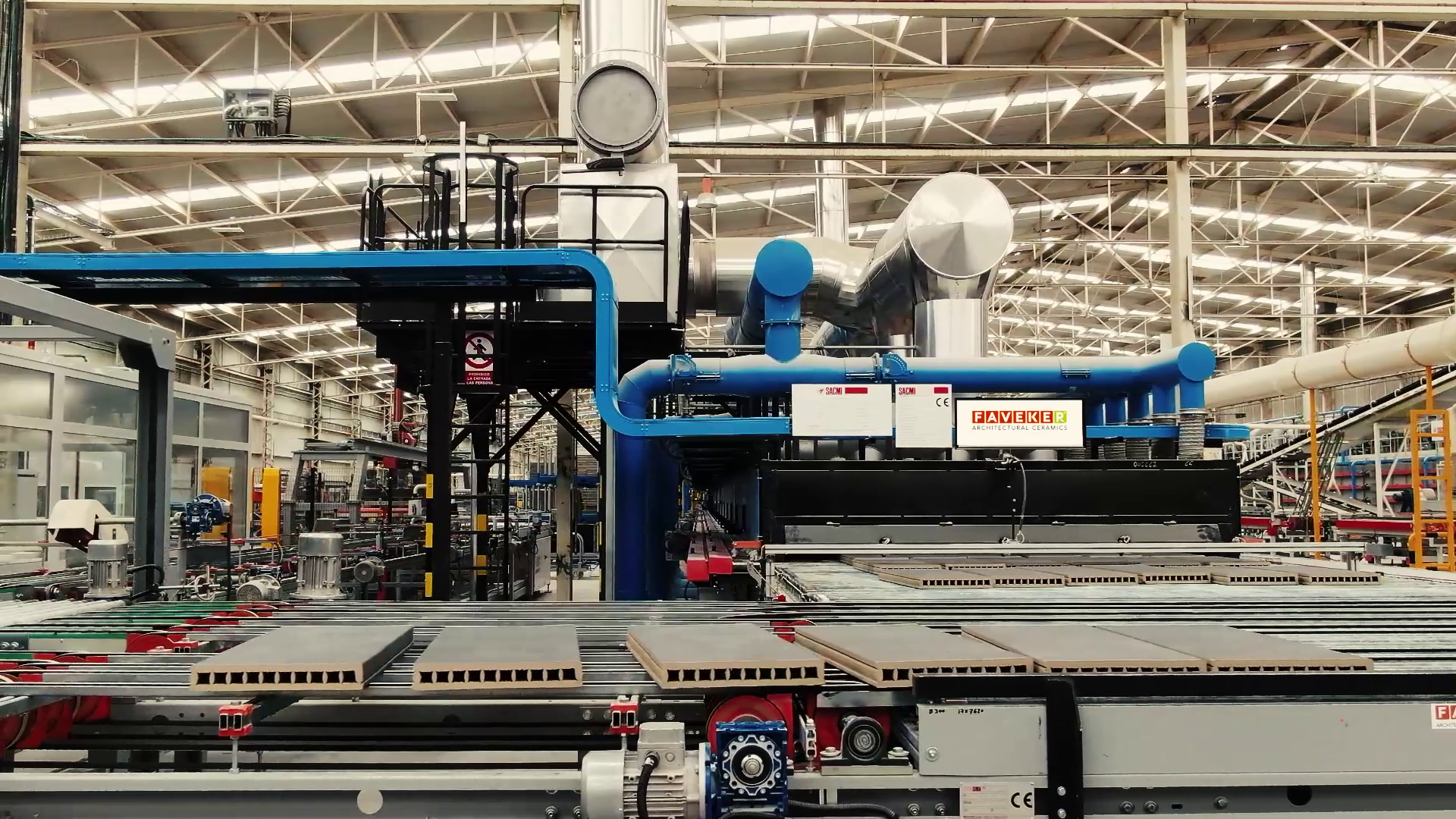
GRES ARAGÓN is a major Spanish ceramics manufacturer. The ceramics industry is energy-intensive and responsible for about 1% of EU industrial CO₂ emissions, mainly due to high-temperature processes such as firing.
The improvements will come from a combination of microwave heating, smart digital controls, eco-friendly refractories and innovative ceramic additives.
Expected results
5.76 → 3.8 GWh/year
427 tonnes avoided per year
+576 tonnes of output per year
with microwave technology
COPHA
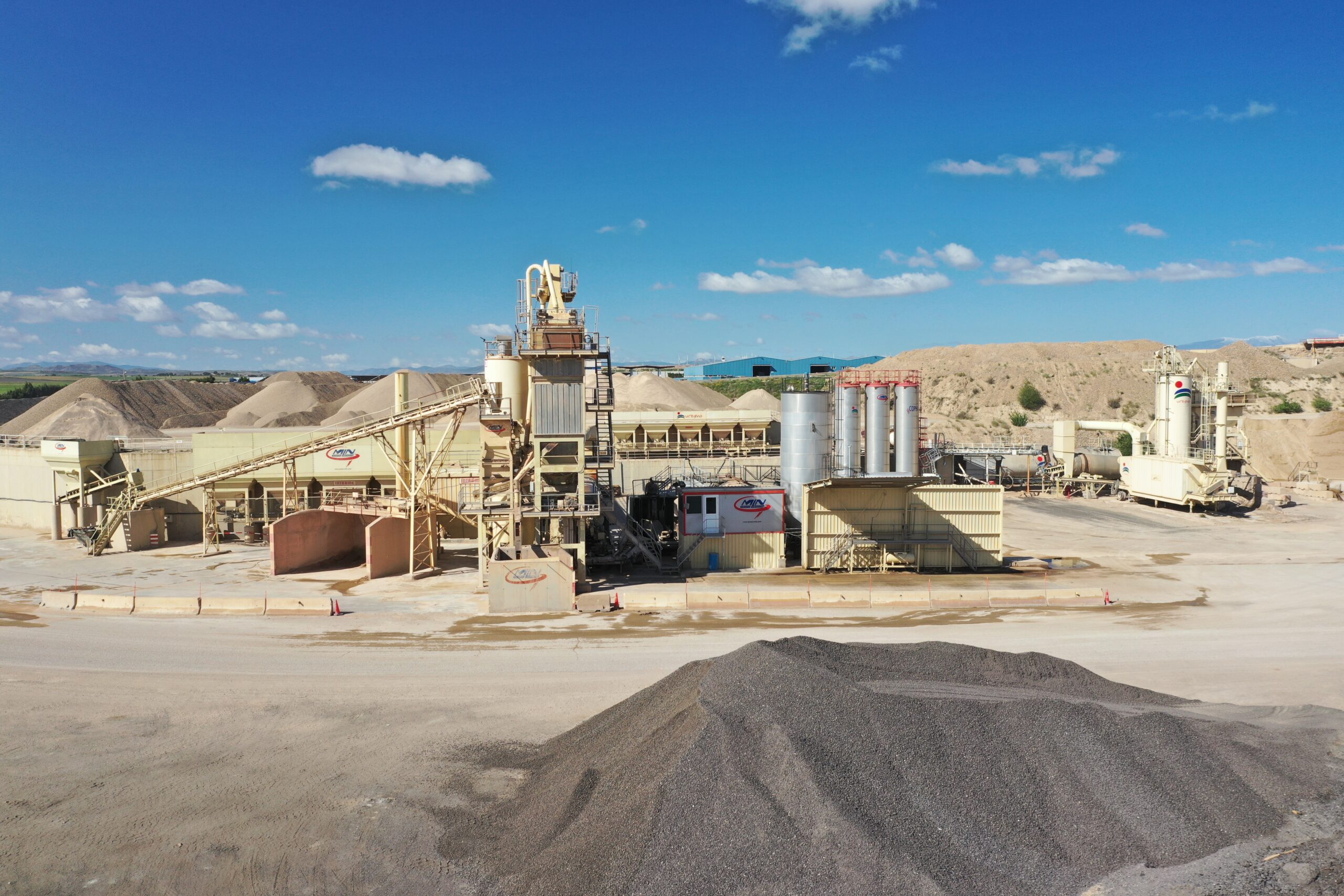
COPHA operates in the asphalt sector, an industry that emits over 3 million tonnes of CO₂ per year in the EU, mainly due to fossil-fuel-powered drying and mixing processes.
The improvements will come from high-efficiency microwave heating, advanced digital controls and modelling, smart refractories and innovative 2D material additives.
Expected results
7.3 → 3.8 GWh/year
1,152 tonnes avoided per year
+10,000 tonnes of output per year
with microwave systems
METLEN
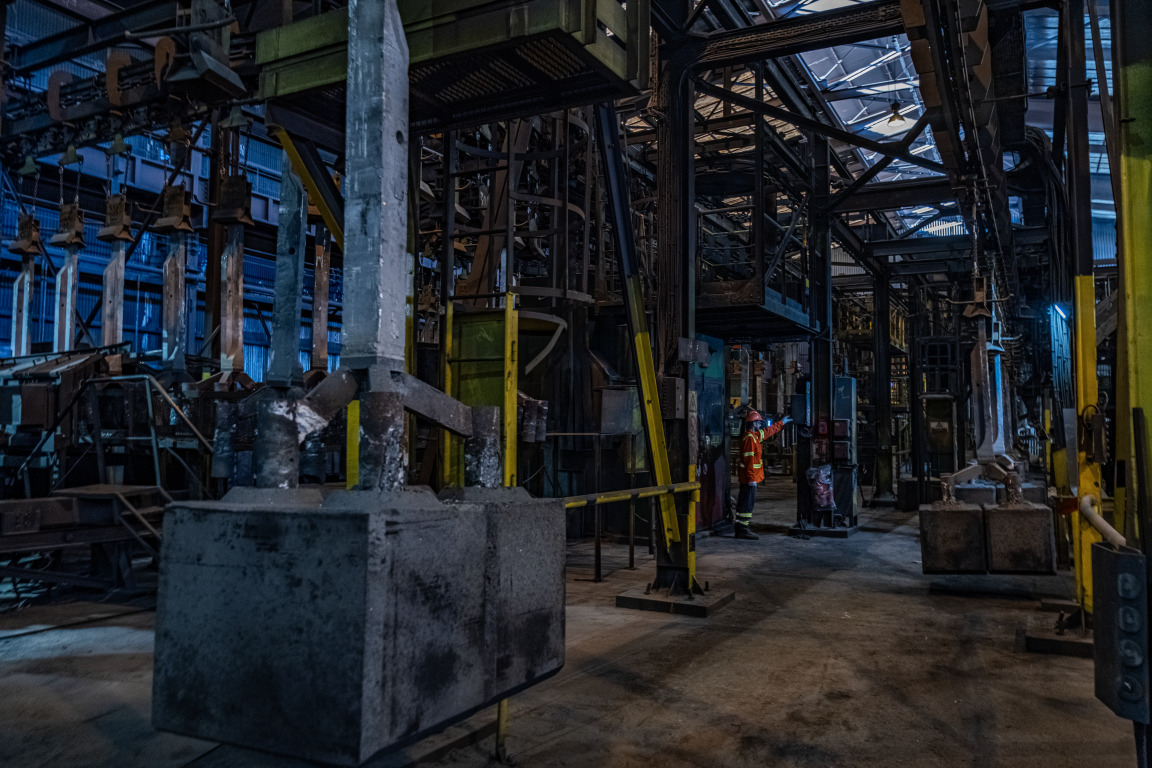
METLEN operates in aluminium production, where heat-related emissions are a major challenge: they account for 10 million tonnes of CO₂ per year in the EU, with anode production alone responsible for 7.23 Mt.
The improvements will come from high-performance microwave heating, smart refractories and ceramic additives, and digital process control and energy optimisation.
Expected results
104 → 70 GWh/year
7,700 tonnes avoided per year
+18,800 tonnes of output per year
with microwave systems